
The Sempre Naturalis Journal
Seasonal wellness, botanical wisdom, meaningful rituals, and stories from the apothecary.
A Place to Gather, Learn & Return
The Sempre Naturalis Journal is a collection of seasonal reflections, practical wellness guidance, botanical traditions, and simple rituals for living with greater intention.
Here, we explore the rhythms of the natural world and the many ways they can support everyday well-being—from the herbs steeping in our cups to the quiet practices that help us feel grounded, restored, and connected.
Return throughout the seasons for new journal entries, apothecary stories, ritual inspiration, and thoughtful ways to bring holistic wellness into daily life.
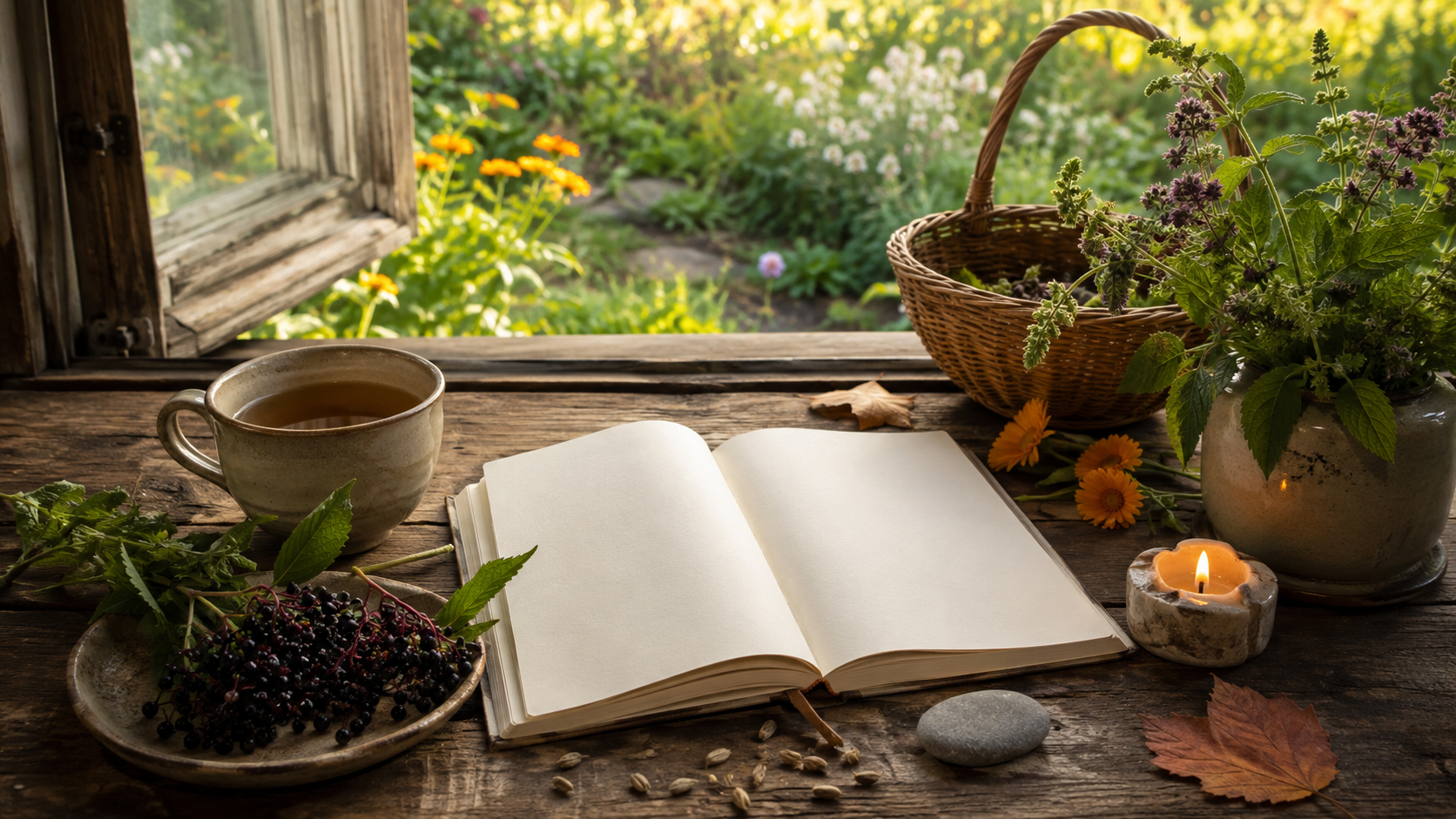
What August Taught Us: A Month-End Reflection
August ends in a different season than it began. Pause at the threshold with a month-end reflection on what ripened, what still needs time, what nourished you, and what you are ready to carry into the harvest season.
August rarely ends in the same season in which it began.
At the beginning of the month, summer still feels expansive. The garden is green, the afternoons are bright, and autumn appears distant enough to remain an idea.
By the final days, something has shifted.
The warmth may remain, but the light has changed. Shadows lengthen earlier. Flowers begin setting seed. Berries darken. The evenings carry a coolness that was not there before.
August teaches through this gradual transformation.
It reminds us that change does not always announce itself with a dramatic ending. Sometimes it enters quietly, one shortened evening and ripened seed at a time.
Before we cross fully into the harvest season, this final day of August offers an opportunity to pause.
Not to evaluate the month by how much we accomplished, but to notice what it revealed.
A MONTH BETWEEN SEASONS
August belongs to both abundance and transition.
The garden is still producing. Markets remain filled with color. Herbs, flowers, fruits, and vegetables reach maturity beneath the late-summer sun.
At the same time, the season begins preparing for what comes next.
Plants redirect their energy toward seed. Birds and wildlife respond to changes in food and light. The landscape starts releasing what it can no longer carry forward.
Nothing about this transition is hurried.
Summer does not disappear when the first amber leaf falls. Autumn does not need to arrive all at once.
For a time, both seasons occupy the same landscape.
Perhaps we are allowed to live that way too.
We can feel grateful for what is present while preparing for change. We can be excited about what comes next without wishing away what remains. We can carry several emotions, intentions, and unfinished stories at once.
The threshold does not require us to choose one side immediately.
It simply asks us to become aware of where we are.
WHAT RIPENED THIS MONTH?
Ripening is easy to recognize in a garden.
A green berry deepens in color. A flower gives way to seed. A fruit becomes fragrant and ready to gather.
In our own lives, ripening may be less visible.
It may look like finally understanding something that once felt confusing. A boundary becomes easier to hold. A decision begins to feel settled. A skill practiced quietly starts becoming more natural.
Some growth announces itself through achievement.
Other growth appears as patience, clarity, confidence, recovery, or the willingness to begin again.
Consider what has ripened within you during August.
What became clearer?
What required less effort than it once did?
What are you now ready to acknowledge, gather, share, or complete?
Do not dismiss an answer because it seems too small.
A quiet realization may change the direction of an entire season.
WHAT STILL NEEDS TIME?
Not everything planted earlier in the year will be ready simply because August is ending.
Some intentions need another month. Some projects are still developing beneath the surface. Some decisions cannot be forced without sacrificing the wisdom that comes through waiting.
The natural world does not treat every unfinished growing cycle as a failure.
Neither should we.
There is a difference between avoidance and allowing something the time it genuinely requires.
Ask yourself:
What am I tempted to rush because I am uncomfortable with uncertainty?
What would become possible if I allowed this to develop at its own pace?
What kind of support—not pressure—would help it continue growing?
Patience is not always passive.
It may involve continued practice, thoughtful preparation, honest observation, or the discipline to avoid gathering something before it is ready.
Some things are meant to be carried into September unfinished.
WHAT DID AUGUST ASK YOU TO RELEASE?
Late summer is filled with small acts of letting go.
Flowers release their petals. Plants send out seeds. Garden beds begin surrendering crops that have completed their season. The landscape loosens its hold gradually, making space for the cycle to continue.
Release in our own lives does not always require a dramatic ending.
It might be an expectation that no longer fits.
A plan that belonged to a different version of the summer.
An object that has been occupying space without serving a purpose.
An obligation accepted from habit rather than genuine capacity.
A belief that rest must be earned only after everything is complete.
Consider what felt unnecessarily heavy this month.
What consumed energy without offering meaning, progress, connection, or care in return?
What are you permitted to leave in August?
Releasing something does not erase the time or effort you gave it. It acknowledges that its role may now be complete.
THE WISDOM OF ENOUGH
August can easily become a season of excess.
There are herbs to gather, food to preserve, events to attend, projects to finish, and autumn preparations waiting just beyond the edge of the calendar.
The abundance of the season can create pressure to capture everything before it disappears.
But gathering everything is not the same as honoring what is available.
Sometimes respect looks like leaving flowers for pollinators, berries for birds, seeds for the soil, and unclaimed time in our schedules.
Enough is not an admission that we could not do more.
It is a conscious decision about what deserves our finite attention.
Perhaps this month taught you that the basket does not need to be full to represent a meaningful harvest.
Perhaps what you gathered was exactly what you had the capacity to tend, preserve, and use.
That is enough.
WHAT DID YOU NOURISH?
A harvest is shaped by what received care long before gathering day.
Throughout August, you may have nourished something through repeated, ordinary actions.
You watered a garden.
Prepared meals.
Moved your body.
Rested when you needed to.
Completed another day of work.
Studied, practiced, listened, created, or cared for someone you love.
Not every form of nourishment produces an immediate result.
Some acts of care accumulate quietly. Their importance becomes visible only after we recognize how much steadiness they created.
Ask yourself:
Where did I consistently direct my care?
What grew because I continued showing up?
What helped me remain grounded when the month became busy?
These answers reveal something about what you value—not simply what you completed.
WHAT NOURISHED YOU?
We are often more practiced at identifying what we gave than recognizing what restored us.
Think back across the month.
Was there a person whose presence helped you feel understood?
A place where your thoughts became quieter?
A daily cup of tea, an evening walk, a familiar meal, a creative practice, or a few moments outside?
Did you find strength in routine, beauty, laughter, movement, solitude, or community?
Notice what genuinely replenished you.
These are not insignificant comforts. They are clues.
They show you what may deserve protection as the coming season alters schedules, daylight, responsibilities, and energy.
You do not need to preserve every part of August.
Carry forward what helped you return to yourself.
THE LESSONS OF THE STURGEON MOON
August’s Sturgeon Moon invited us to consider abundance, endurance, and the late-summer harvest.
Endurance is often imagined as the ability to continue without pause.
But true endurance also depends upon adaptation.
It requires recognizing when to push forward, when to change direction, when to recover, and when a burden has become unnecessary.
The sturgeon survives not because it remains untouched by change, but because it is deeply adapted to its environment and ancient rhythms.
That offers a different way to understand resilience.
Strength does not always mean becoming harder.
It may mean becoming more attentive.
More rooted.
More willing to work with the season you are actually living rather than the one you expected.
As August closes, consider where your endurance appeared this month.
What did you continue?
Where did you adapt?
When did rest become part of your strength?
What did you learn about your own capacity?
THE APOTHECARY AWAKENED
This month also carried the awakening of the Harvest Apothecary.
What began as seasonal inspiration became a complete collection through research, testing, tasting, revision, and restraint.
The finished teas represent more than autumn flavors. Together, they express nine ways of entering the harvest season: through warmth, recovery, joy, grounding, seasonal care, rest, transformation, gentle restoration, and self-care.
Their arrival offers another lesson from August:
Creation is rarely a straight path.
Names change. Ingredients are removed. Ideas that seemed complete reveal that they need more work. The final form may differ considerably from the first vision.
That does not mean the original idea failed.
It means the work was allowed to evolve.
Something created with care becomes stronger when we are willing to listen, adjust, and let it develop an identity of its own.
What in your life became better because you allowed it to change?
A RITUAL FOR CLOSING AUGUST
This reflection can be completed with only a journal, a warm or iced cup of tea, and a few quiet minutes.
If you would like, include one natural object that represents the month: a flower, herb sprig, seed, stone, berry, or leaf gathered responsibly from a familiar place.
Settle somewhere comfortable.
Place your hands around your cup and take three unhurried breaths.
Notice the temperature of the air, the quality of the light, and the sounds around you.
Then write:
In August, I gathered…
In August, I learned…
In August, I released…
What still needs time is…
What nourished me was…
The strength I discovered was…
As I enter the harvest season, I intend to…
Do not search for impressive answers.
Write what is true.
When you are finished, read your words once without correcting or evaluating them.
Choose one sentence you would like to carry into September.
You may copy it onto a separate page, place it near your tea shelf, or return to it when the new month begins to feel hurried.
Close the ritual by saying:
I honor what has ripened.
I allow time for what is still growing.
I release what does not need to follow me.
I enter the coming season with gratitude and intention.
CARRYING AUGUST FORWARD
A month does not disappear when the calendar changes.
August will continue in the herbs drying for later use, the foods preserved from the garden, the photographs taken in warm light, and the routines strengthened through repetition.
It will remain in what you learned about your needs, your limits, your resilience, and your capacity for care.
Carry those things forward.
Leave behind the pressure to make the month appear more productive, beautiful, or complete than it truly was.
The purpose of reflection is not to rewrite the season.
It is to understand what the season gave you.
August gave us sunlight and lengthening shadows.
Flowers and seeds.
Warm afternoons and cooler evenings.
Things ready to gather and things still asking for time.
It reminded us that abundance requires discernment, endurance requires restoration, and change can begin long before we are ready to name it.
Now the month is complete.
The harvest season waits ahead.
Before crossing the threshold, pause once more.
Notice what you are carrying.
Choose it with care.
Then turn the page.
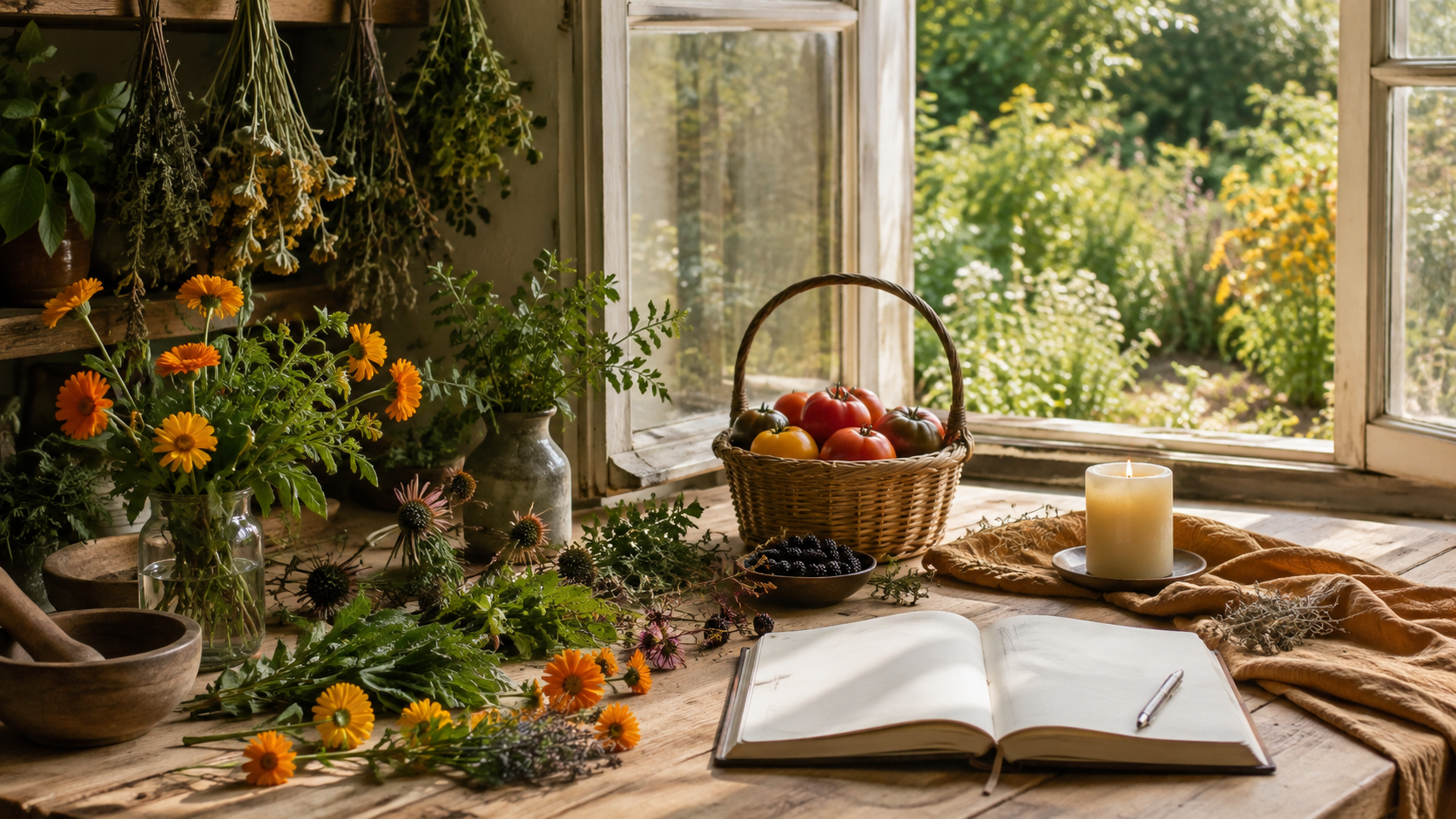
Preparing for the Harvest Season Without Rushing Summer
Autumn may be approaching, but summer still has something to offer. Prepare your home, routines, and seasonal rituals for harvest without rushing through the warmth and abundance that remain.
By late August, autumn begins appearing everywhere before it has fully arrived.
Store shelves fill with pumpkins and cinnamon. Seasonal collections emerge while gardens are still producing tomatoes, mint, flowers, and berries. The days remain warm, yet the first signs of harvest encourage us to look ahead.
Anticipation can be delightful. There is nothing wrong with looking forward to cooler evenings, changing leaves, familiar spices, or the rituals that make autumn feel meaningful.
But we do not have to abandon summer to prepare for what comes next.
The natural world does not change seasons overnight. It ripens gradually. Light shifts a little at a time. Seeds mature. Herbs reach the end of their growing cycles. Warm afternoons begin giving way to cooler evenings.
We can enter the harvest season in the same way: with preparation that honors the future without overlooking what remains.
THE PRESSURE TO MOVE AHEAD
Modern life often encourages us to experience the next season before the present one is complete.
We are invited to decorate early, plan early, purchase early, and move our attention toward whatever comes next. By the time a season officially arrives, we may already feel pressure to prepare for the one following it.
This constant anticipation can make time feel as though it is moving even faster.
Seasonal living offers another rhythm.
It asks us to notice what is actually happening where we are. The season described by a calendar or store display may not perfectly match the weather outside our window, the condition of our gardens, or the needs of our bodies.
Late August in Idaho may still carry bright sun, warm afternoons, active gardens, and long stretches of outdoor life. Autumn is approaching, but summer has not disappeared.
We can welcome the signs of change without pretending the change is complete.
NOTICE WHAT SUMMER IS STILL OFFERING
Before preparing for autumn, pause and take inventory of the season that remains.
What is still blooming?
What is ripening in the garden or appearing at the farmers market?
Which outdoor activities will become less available when the weather changes?
What part of summer have you not yet allowed yourself to enjoy?
This is not about creating a frantic list of experiences to complete before the season ends. It is an invitation to become more attentive.
Perhaps there is still time for tea on the porch, an evening walk, dinner outside, a visit to the water, or an afternoon spent gathering herbs. Perhaps the simplest way to honor late summer is to open the windows, notice the warm air, and allow the day to be enough.
Presence does not require an elaborate plan.
It begins by recognizing that the current season still has something to offer.
BEGIN WITH A GENTLE HOME RESET
Seasonal preparation can begin without completely transforming your home.
Instead of immediately replacing every sign of summer with autumn décor, start with the practical spaces that support your daily routines.
Clear expired food from the refrigerator. Wash reusable water bottles and tea pitchers. Sort the pantry. Gather the gardening tools that are no longer being used. Set aside clothing or household items that can be donated.
Then consider what will make the coming weeks feel more comfortable.
You might place a light blanket near your favorite chair, clean the kettle, make room for seasonal tea, or create a small basket for journals and evening reading.
These modest changes prepare the home without forcing it into a season that has not fully arrived.
A gentle reset should create breathing room—not another standard you must meet.
TAKE INVENTORY BEFORE BUYING MORE
The beginning of a new season often creates the urge to acquire new things.
Before purchasing candles, decorations, storage containers, tea, or seasonal supplies, look carefully at what you already have.
Open the cabinets and drawers where autumn items have been stored. Check the condition of blankets, lanterns, candleholders, mugs, baskets, and decorations. Review your pantry before adding more spices, dried herbs, or baking ingredients.
Ask:
What do I already own and enjoy?
What needs to be cleaned, repaired, refilled, or used?
What no longer fits my home or the way I live?
What would genuinely support the coming season?
Preparation becomes more meaningful when it is based on intention rather than momentum.
You may discover that you need very little. A familiar mug, a candle you already love, and a freshly cleared table may create more seasonal warmth than a cart full of new objects.
PRESERVE SOMETHING FROM SUMMER
Harvest preparation is not only about bringing autumn into the home. It is also about carrying something from summer forward.
This may be practical preservation: drying herbs, freezing berries, gathering seeds, pressing flowers, or making use of garden produce.
It can also be personal.
Print a photograph from a meaningful summer day. Write down a memory before its details fade. Save a recipe you enjoyed. Place a small shell, stone, or flower in a place where it can remind you of the season.
You do not need to preserve everything.
Choose one thing that represents what this summer gave you.
The value of preservation is not found in filling every jar or recording every moment. It is found in deciding what deserves to be remembered.
PREPARE THE APOTHECARY SHELF
Late summer is a natural time to review the herbs, teas, and seasonal supplies you keep at home.
Begin by checking labels and dates. Look for signs of moisture, fading, contamination, or loss of aroma. Dried botanicals should be stored in clean, well-sealed containers away from heat, humidity, and direct sunlight.
Discard anything that shows mold, insects, an unusual odor, or other evidence that it is no longer suitable for use.
Then consider what you realistically reach for during cooler weather.
Perhaps you prefer roasted and warming teas in the morning, aromatic blends after meals, or gentler cups as part of your evening routine. Clean the containers and tools you use most often, and organize them so that preparing tea remains simple.
Avoid filling the shelf merely because autumn suggests abundance.
A thoughtfully stocked home apothecary should reflect what you understand and will genuinely use. It does not need to contain every herb, remedy, or seasonal ingredient.
Let usefulness guide the space.
SUPPORT THE BODY THROUGH THE TRANSITION
Seasonal transitions can alter daily rhythms before we consciously notice them.
The light changes. Schedules become busier. School and community activities resume. Outdoor movement may shift to different times of day. Meals and sleep routines can become less consistent as summer ends.
Rather than attempting a complete seasonal overhaul, choose a few steady practices.
Continue drinking water even as the weather begins to cool. Maintain regular meals that include foods you enjoy and that leave you feeling nourished. Protect your sleep routine as daylight gradually shortens. Keep moving in ways that support your strength, mobility, and energy.
Seasonal wellness does not require a cleanse, a punishing reset, or a perfect routine.
The body often benefits more from consistency than from dramatic correction.
Ask yourself:
Which daily practice helps me feel most grounded?
What becomes difficult when my schedule changes?
What simple support can I put in place now?
Your answer may be as practical as preparing tomorrow’s breakfast, scheduling movement, setting an evening reminder, or keeping a water bottle within reach.
MAKE SPACE FOR REST BEFORE YOU NEED IT
Harvest imagery often celebrates productivity: full baskets, stocked shelves, finished projects, and visible abundance.
But gathering requires energy.
Before the season becomes busier, consider where rest belongs in your plans. Do not wait until exhaustion forces it into the schedule.
Rest might look like an earlier bedtime, an unhurried morning, a quiet evening without obligations, or a weekend that is not filled from beginning to end. It may mean declining one commitment so that you have the capacity to be present for another.
Nature’s harvest is followed by dormancy for a reason.
Rest is not separate from the cycle. It is part of what makes continued growth possible.
CHOOSE WHAT YOU WANT TO COMPLETE
August reminds us that there is still time—but not unlimited time.
This can create urgency, especially when unfinished goals or delayed plans remain visible. Instead of attempting to complete everything before autumn, choose carefully.
Make a short list of what is still asking for your attention.
Then separate the list into three groups:
• What genuinely needs to be completed
• What can continue into the next season
• What no longer deserves your energy
Not every unfinished task is an obligation.
Some plans belonged to an earlier version of the season. Some goals changed because your circumstances changed. Some intentions may still matter, but their timeline can be extended without turning that adjustment into failure.
A harvest requires discernment. We gather what is ready and allow the rest to follow its own timing.
CREATE A LATE-SUMMER THRESHOLD SPACE
A seasonal space can help you acknowledge the transition without decorating for autumn all at once.
Choose a small surface: a shelf, tray, windowsill, bedside table, or corner of your desk.
Add a few items that represent both the season remaining and the season approaching. You might include:
• A late-summer flower or herb sprig
• A small bowl of berries, seeds, or garden produce
• A candle for the gradually lengthening evenings
• A stone or natural object gathered during summer
• A journal for seasonal reflection
Let this space change slowly.
When a flower fades, remove it with gratitude. When you gather seeds, add a small envelope. When the evenings cool, introduce a deeper color or warmer texture.
By allowing the display to evolve naturally, you create a visible record of the season’s transition.
PLAN ONE HARVEST RITUAL
Seasonal ritual does not need to be elaborate or performed on a perfect date.
Choose one way you would like to mark the approach of harvest.
You might prepare a meal using seasonal produce, bake something with familiar spices, gather herbs from the garden, light a candle at sunset, visit a local market, or share tea with someone you love.
You could also create a private reflection practice.
Pour a cup of tea and write about what has grown in your life since spring. Name what you are ready to gather from that experience and what still needs time.
The ritual matters because you paused to recognize the transition—not because every detail was arranged perfectly.
LET ANTICIPATION ADD TO THE SEASON
Looking forward to autumn does not diminish summer when anticipation is held gently.
You can enjoy the first warming tea while the window remains open. You can plan an autumn ritual while flowers are still blooming. You can gather candles and blankets without wishing away the warm evenings that remain.
One season does not need to be rejected for another to be welcomed.
The threshold contains both.
It holds what is ripening and what is not yet ready. It offers warmth during the day and the first hints of coolness after sunset. It reminds us that change can be gradual, layered, and generous.
A SIMPLE PRACTICE FOR THE COMING WEEK
Choose one action from each of the following:
TO HONOR SUMMER
Spend time with something that belongs to the present season: the garden, the evening light, local produce, outdoor movement, or an unhurried moment in the warmth.
TO PREPARE FOR HARVEST
Complete one practical task that will make the coming season easier: organize a shelf, clean the kettle, check your pantry, dry herbs, or prepare a comfortable evening space.
TO CREATE SPACE
Release one object, obligation, expectation, or unfinished plan that does not need to follow you forward.
Write your choices in your journal:
Before summer turns, I will savor…
As harvest approaches, I will prepare…
To make room for what comes next, I will release…
Keep the actions small enough to complete without rushing.
PREPARATION CAN BE AN ACT OF PRESENCE
Preparing for a new season does not have to mean leaving the current one behind.
The most meaningful preparation begins with attention.
Notice what is still alive and flourishing. Use what you already have. Preserve what matters. Support your body with steady practices. Make room for rest. Complete what is truly important and loosen your hold on what is not.
Then allow autumn to arrive in its own time.
The harvest season will come.
Until it does, let late summer remain warm, abundant, and fully worthy of your presence.
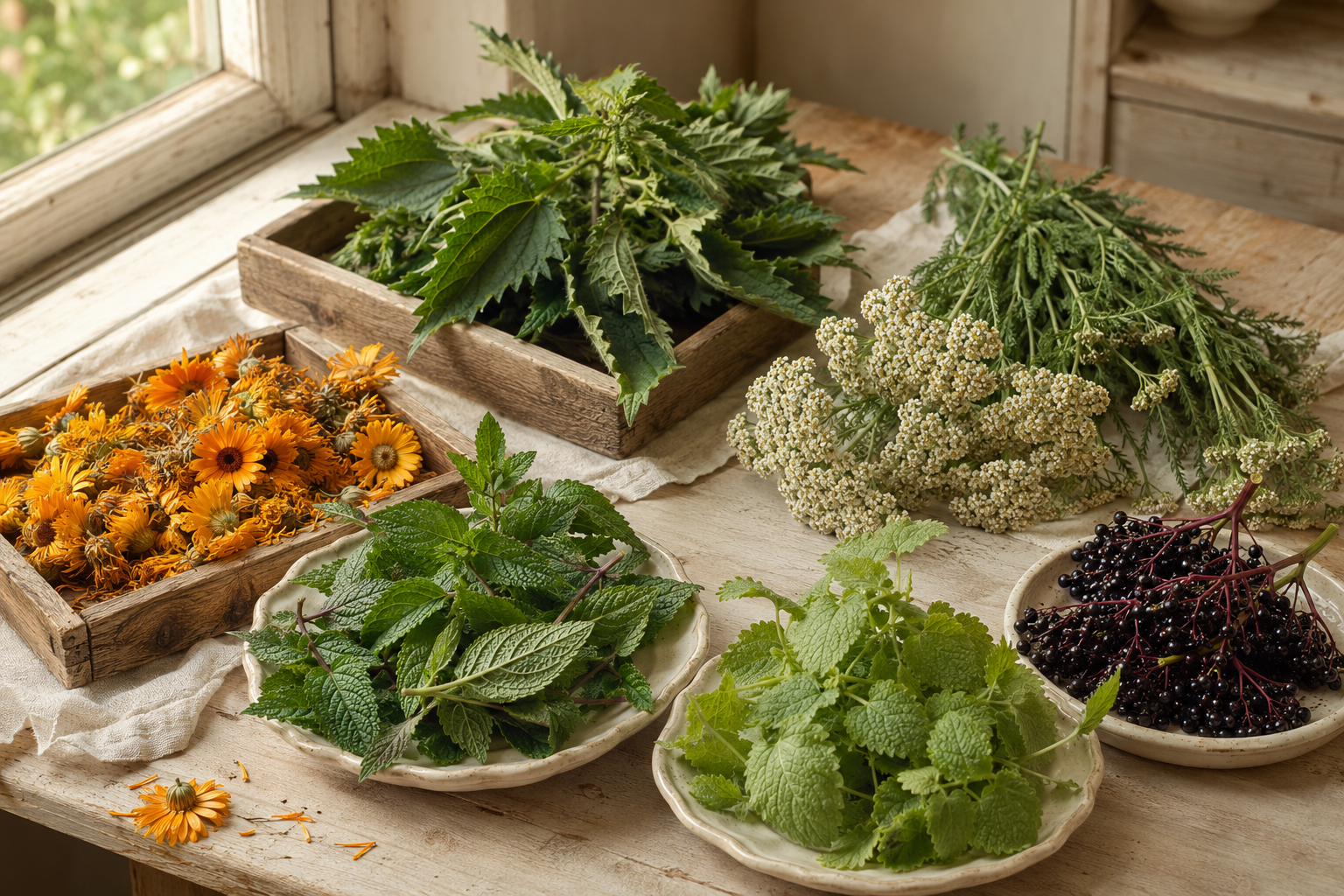
Six Botanicals That Belong to Late Summer
Late summer fills the garden and wild landscape with botanicals ready to be noticed, gathered, or left to complete their natural cycle. Explore the seasonal character, traditional place, and responsible use of six August herbs.
Late summer has its own botanical language.
The garden is no longer tender with spring growth, yet it has not surrendered to autumn. Flowers continue to open beneath the August sun. Aromatic leaves hold the warmth of the season. Berries deepen in color, and familiar herbs begin moving from the garden into drying baskets, jars, oils, and seasonal preparations.
This is a time of both abundance and discernment.
Not every botanical must become a tea, tincture, or topical preparation. Some are gathered for practical use. Others are left for pollinators, wildlife, seed, or the simple pleasure of seeing them remain in the landscape.
The following six botanicals embody the character of late summer. Each brings its own flavor, aroma, traditional purpose, and way of carrying the season forward.
1. CALENDULA
Calendula officinalis
Calendula is one of the clearest expressions of the late-summer garden.
Its golden and orange blossoms seem to hold sunlight within their petals, continuing to bloom as the season begins its gradual turn. With regular harvesting and deadheading, calendula may flower until frost.
Despite sometimes being called pot marigold, calendula is not the same plant as the ornamental marigolds commonly grown in flower beds. Correct identification matters whenever a plant will be used in food, tea, or botanical preparations.
Calendula petals have a mildly peppery, slightly tangy character. They may be used fresh in food, dried for tea, infused into oil, or incorporated into carefully formulated topical products.
In traditional herbal practice, calendula has long been associated with skin care and gentle botanical comfort. Its bright color also gives it a natural place in seasonal rituals centered on warmth, gratitude, and the gathering of summer light.
TO GATHER
Choose fully opened flower heads that are dry and free from visible damage. Harvest after the morning dew has evaporated but before the strongest heat of the day.
Calendula flowers may be dried whole or separated into petals, depending on their intended use. Dry them away from direct sunlight with plenty of airflow.
TO EXPERIENCE
Place several dried calendula petals in a small bowl on your seasonal altar or journaling table. Let their color represent something joyful from summer that you want to remember during the darker months.
2. PEPPERMINT
Mentha × piperita
Peppermint brings a welcome brightness to the heavy warmth of August.
Its cooling aroma feels especially suited to the point in the season when the days remain hot but our attention has begun turning toward autumn. The leaves offer a familiar flavor that can lift heavier roots, berries, and spices when used thoughtfully in a blend.
Peppermint is traditionally enjoyed after meals and in teas intended to feel refreshing or settling. Its aromatic character can also transform a simple cup of tea into a sensory pause: the fragrance rises with the steam before the first sip is taken.
Mint plants spread enthusiastically, which is why many gardeners grow them in containers. Frequent harvesting encourages fresh growth and helps keep the plant manageable.
TO GATHER
Harvest healthy leaves before the plant is in full flower for the strongest flavor, although usable leaves can be gathered throughout the growing season.
Cut the stems rather than removing every leaf individually. Bundle them loosely or spread the leaves in a single layer to dry with good airflow.
TO EXPERIENCE
Gently rub a fresh peppermint leaf between your fingers and inhale its aroma. Notice how quickly scent can bring your attention back to the present moment.
3. LEMON BALM
Melissa officinalis
Lemon balm carries the brightness of summer in a softer form.
Its leaves release a fresh lemon fragrance when touched, but its character is gentler and more herbaceous than citrus peel. It blends naturally with florals, mint, berries, and mild tea bases.
Lemon balm has a long history of traditional use in teas and evening preparations associated with calm, comfort, and quiet reflection. Its aroma alone can make the act of preparing tea feel like a small ritual.
The plant belongs to the mint family and can spread readily when allowed to flower and set seed. Regular harvesting keeps it productive while providing leaves to enjoy fresh or preserve for later use.
TO GATHER
Harvest young, healthy leaves before flowering when possible. Lemon balm’s delicate aromatic qualities can fade with age and improper storage, so dry the leaves gently and keep them protected from heat, moisture, and direct light.
TO EXPERIENCE
Add fresh lemon balm leaves to cool water and allow them to infuse in the refrigerator. Sip slowly during a warm afternoon while reflecting on what has brought ease or sweetness to your summer.
4. NETTLE
Urtica dioica
Nettle is not a decorative herb.
It is earthy, deeply green, and practical—a plant that asks to be approached with attention. Its fine stinging hairs make gloves and long sleeves necessary during harvest, but drying, cooking, or properly preparing the leaves neutralizes the sting.
Nettle has a long history as a food and traditional botanical. Its mineral-rich reputation and green, vegetal flavor have earned it a place in nourishing teas, broths, soups, and seasonal preparations.
Earlier growth is generally preferred for culinary use. By late summer, mature plants may have become tougher or begun producing seed. This is a time to assess the plant carefully rather than gather automatically. Tender new growth may still be available where plants have been cut back, while older stands may be better left undisturbed.
Nettle reminds us that responsible harvesting depends upon timing, identification, and the condition of the individual plant.
TO GATHER
Wear gloves and harvest only correctly identified plants from a clean location. Avoid gathering beside treated fields, busy roads, contaminated water, or areas exposed to pesticides.
Choose tender leaves from plants that have not become overly mature. Never consume raw stinging nettle leaves.
TO EXPERIENCE
Enjoy nettle as part of a properly prepared herbal infusion or nourishing broth. Let its deep green character represent steadiness, resourcefulness, and the quiet forms of strength that sustain daily life.
5. YARROW
Achillea millefolium
Yarrow often appears where the landscape feels wildest.
Its feathery leaves and clusters of small flowers grow in meadows, roadsides, disturbed ground, and garden edges. The plant’s botanical name, Achillea, connects it with the ancient story of Achilles, contributing to its enduring association with courage, protection, and resilience.
Yarrow is intensely aromatic and bitter. A little can carry considerable presence, which is why thoughtful formulation matters. Its character is very different from herbs added mainly for color or visual beauty.
In traditional herbal practice, yarrow has appeared in preparations associated with seasonal comfort and external skin care. In ritual work, it is often connected with boundaries, protection, courage, and the wisdom to know when enough is enough.
TO GATHER
Correct identification is essential. Harvest clean, healthy flowering tops in dry weather, leaving plenty for pollinators and natural reseeding.
Yarrow belongs to the Asteraceae family. People sensitive to ragweed and related plants may also react to yarrow. It is generally avoided during pregnancy unless a qualified health professional advises otherwise.
TO EXPERIENCE
Place a dried yarrow stem beside your journal as a symbol of discernment. Write about one boundary that protects something valuable in your life.
6. ELDERBERRY
Sambucus species
Elderberries mark one of late summer’s most visible transitions.
The flowers of early summer give way to clusters of dark berries that deepen toward purple-black as they ripen. Their arrival signals that the season is beginning to gather itself for autumn.
Elderberries have a tart, earthy fruit character and a long history in syrups, cooked preparations, and traditional seasonal formulas. They pair naturally with warming spices and bright citrus, making them especially suited to the transition from summer into the cooler months.
They are also a botanical that requires careful handling.
Raw or unripe elderberries—and the leaves, stems, and other inappropriate parts of the plant—contain cyanide-producing compounds that can cause serious digestive illness. Elderberries intended for consumption must be correctly identified, fully ripe, properly cleaned, and cooked.
This is not a botanical for casual experimentation based on a photograph or social media video.
TO GATHER
Harvest only fully ripe berry clusters from a correctly identified edible Sambucus species. Remove the berries carefully from the stems and discard unripe fruit and plant debris.
Do not eat raw elderberries. When identification or preparation is uncertain, purchase properly processed elderberries from a reputable botanical supplier instead of wild harvesting.
TO EXPERIENCE
Let the darkening berries represent ripeness—the stage at which something has received enough time, attention, and nourishment to be gathered.
Ask yourself:
What in my life is finally ready because I did not rush it?
THE WISDOM OF THE SEASON
These six botanicals do not belong to late summer for the same reason.
Calendula reflects the light that remains.
Peppermint offers brightness during the lingering heat.
Lemon balm carries summer’s sweetness into quieter moments.
Nettle represents practical nourishment and attentive gathering.
Yarrow speaks of boundaries, resilience, and discernment.
Elderberry signals ripening and the approach of the harvest season.
Together, they remind us that a botanical is more than an ingredient.
Every plant has a growing cycle, a proper time for gathering, a traditional context, and safety considerations that deserve respect. Botanical wisdom begins not with using more herbs, but with understanding each one more deeply.
A NOTE ON RESPONSIBLE BOTANICAL USE
Natural does not automatically mean appropriate for every person.
Herbs may cause allergic reactions, affect existing health conditions, or interact with medications and supplements. Pregnancy, breastfeeding, upcoming surgery, chronic health conditions, and medication use can all change whether a botanical is suitable.
Correct plant identification and proper preparation are essential. Never consume a wild plant unless you are certain of its identity, the safety of the growing location, the appropriate plant part, and the correct preparation method.
When using an unfamiliar herb, consult a qualified health professional or trained herbal practitioner who can consider your individual circumstances.
GATHERING WITHOUT TAKING EVERYTHING
Late summer can create an understandable desire to preserve every flower, leaf, and berry before the season changes.
But responsible gathering is not measured by how full our baskets become.
Leave flowers for bees and other pollinators. Leave berries for birds and wildlife. Allow some plants to complete their cycle and return seed to the soil. Take only what you can identify, prepare, store, and genuinely use.
The apothecary begins in relationship with the living landscape.
Gather thoughtfully.
Preserve carefully.
Leave enough for the life continuing around you.
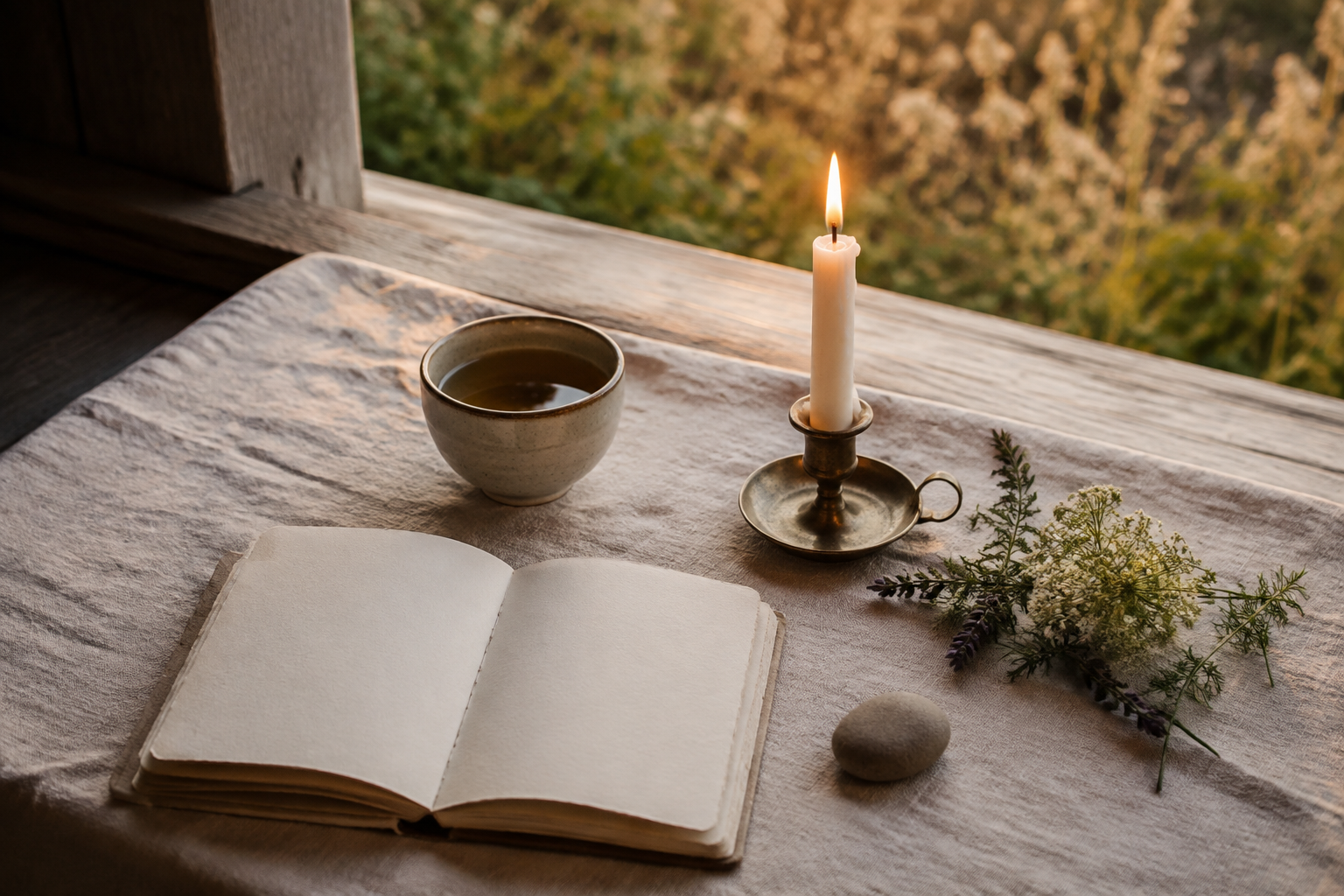
A Ritual for the August Threshold
August stands between summer’s fullness and the first signs of harvest. Create a quiet seasonal ritual to recognize what has grown, gather what matters, and choose an intention for the weeks ahead.
August stands at the threshold between summer’s fullness and the first quiet signs of harvest.
The days remain warm, gardens continue to flourish, and sunlight still lingers into the evening. Yet subtle changes have begun. Shadows stretch a little farther. Night arrives a little sooner. The natural world is preparing to turn toward another season.
This threshold does not ask us to rush into autumn. It invites us to pause within the season we are still living.
An August threshold ritual offers a quiet opportunity to recognize what has grown, gather the lessons of summer, and decide what deserves your attention before the season changes.
You do not need elaborate tools or a perfectly arranged altar. A cup of tea, a candle, a journal, and a few uninterrupted moments are enough.
WHAT YOU WILL NEED
• A candle
• A cup of tea
• A journal and pen
• One small object gathered from nature, such as a stone, fallen leaf, herb sprig, feather, or flower
• A quiet place indoors or outside
Choose a tea that feels appropriate for the moment. It may be bright and refreshing, deeply grounding, or gently warming. Let the tea represent what you would like to carry with you through the remainder of the season.
THE RITUAL
1. Create a place to pause
Choose a place where you can sit comfortably without interruption. If possible, complete the ritual near an open window, on a porch, or outside during the early evening.
Place your candle, tea, journal, and natural object before you.
Let the space feel intentional, but do not worry about making it perfect. The purpose is simply to step away from the pace of the day and become present.
2. Light the candle
As you light the candle, take three slow breaths.
Notice the warmth that remains in the air, the quality of the light, and any sounds around you. Allow yourself to arrive fully in this moment.
Silently say:
I pause at the threshold of what has been and what is becoming.
3. Consider what has grown
Hold the object you gathered from nature.
Let it represent something that has grown within your life since the beginning of summer. This might be a new habit, an idea, a relationship, a boundary, a skill, or a deeper understanding of yourself.
Not all growth is immediately visible. Some of the most meaningful changes happen quietly beneath the surface.
Ask yourself:
What has become stronger within me?
Remain with the question for a few moments before writing your response.
4. Gather what is ready
Take a slow sip of your tea and consider what is ready to be gathered from this season.
Perhaps you completed something important. Perhaps a lesson has finally become clear. Perhaps you have created a memory, practice, or connection that you want to preserve.
Write down three things from this summer that you would like to carry forward.
These are your personal harvest—not because the season has ended, but because you have chosen to recognize their value.
5. Name what needs your attention
August reminds us that there is still time.
There is time to enjoy the warmth, finish what matters, tend what is growing, and make thoughtful preparations for the months ahead.
Complete this sentence in your journal:
Before this season changes, I am ready to…
Allow your answer to be honest and specific. It does not need to be a large goal. A single conversation, unfinished task, afternoon outdoors, or renewed commitment may be enough.
6. Release what no longer needs to follow you
Consider one expectation, obligation, worry, or pattern that has taken more from you than it has given.
Write it down.
Then place your hand over the words and say:
I honor what this has taught me. I release the need to carry it into the season ahead.
You may leave the words in your journal as a record of the moment, cross them out, or remove the page and dispose of it safely after the ritual.
7. Choose one August intention
Review what you have written and choose one small action to complete during the coming week.
Keep it simple enough to honor.
You might spend an evening outside, finish a lingering project, gather herbs from the garden, reconnect with someone, begin preparing your home for the changing season, or protect time for rest.
Write your intention as a promise:
During this season of ripening, I will…
8. Close the ritual
Hold your cup in both hands and take one final, intentional sip.
Thank yourself for making space to pause. Thank the season for what it has offered, including the lessons that arrived differently than expected.
Close with the affirmation:
I honor what has grown, gather what is ready, and move gently toward what comes next.
Extinguish the candle. Place your natural object somewhere you will see it during the remainder of August. Let it remind you of the intention you chose.
JOURNAL PROMPTS FOR THE AUGUST THRESHOLD
Return to these prompts throughout the month:
• What has grown stronger within me since the beginning of summer?
• What lesson or experience from this season do I want to preserve?
• What deserves my attention before autumn arrives?
• What am I ready to stop carrying into the next season?
A SEASON DOES NOT CHANGE ALL AT ONCE
The transition from summer to autumn happens gradually. The light changes. The garden ripens. The evenings cool. One small sign follows another until the new season has quietly arrived.
We are allowed to change this way, too.
There is no need to force a sudden transformation or have every answer prepared. Let August remain a threshold—a warm and generous place where you can honor what is flourishing, tend what remains unfinished, and begin releasing what has completed its purpose.
Carry your chosen intention gently through the remainder of the month. Let it unfold alongside the changing season.
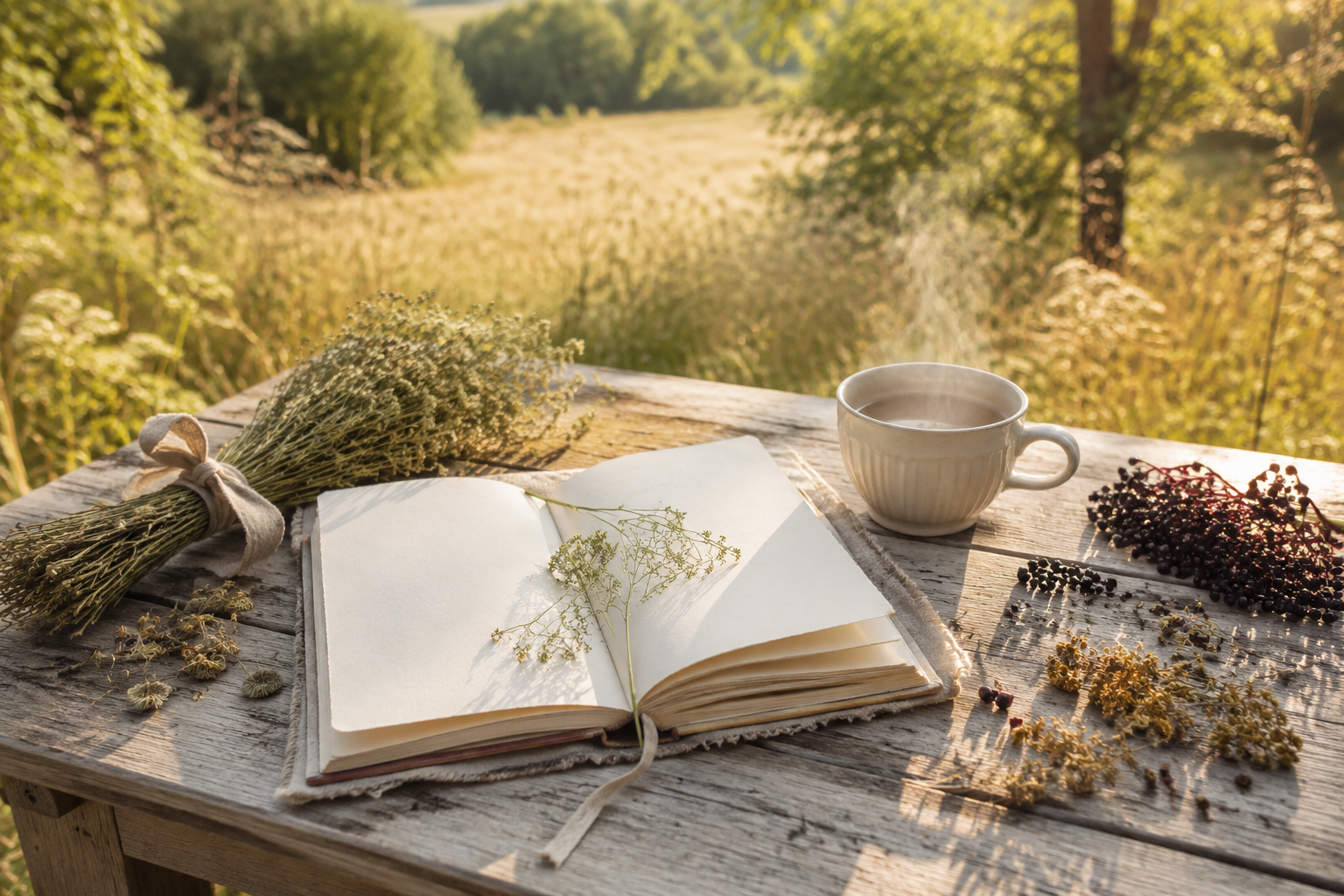
Between Sunlight & Harvest: The Meaning of August
August rests between summer’s fullness and autumn’s first arrival. Explore the meaning of this season of ripening through reflection, intention, and gentle preparation for what comes next.
August exists between seasons.
The days are still filled with summer warmth, yet the earliest signs of autumn have begun to appear. Gardens grow heavy with herbs and fruit. Evenings arrive a little sooner. The air shifts, almost imperceptibly, and invites us to notice what has grown.
This is the season of ripening—a time to recognize progress before rushing toward the next beginning.
In our wellness practices, August invites us to pause and gather. We can take stock of what has strengthened us, release what no longer needs our energy, and prepare gently for the more reflective months ahead.
This month, consider asking:
What has grown stronger within me?
What am I ready to gather and preserve?
What needs to be completed before the season changes?
What can I begin releasing now?
You do not need to enter autumn all at once. Let August be the threshold—a warm, golden space in which to celebrate what is flourishing and prepare for what comes next.
Carry one of these questions into your journal this week, and allow your answer to unfold gently as the season begins to shift.